Margarita can be expensive if you stay in resort hotels and eat at the tourist waterfront restaurants. But if you know how to move around, the island offers an incredible experience without spending much. This is the guide we would give a friend.
Accommodation: apartments vs hotels
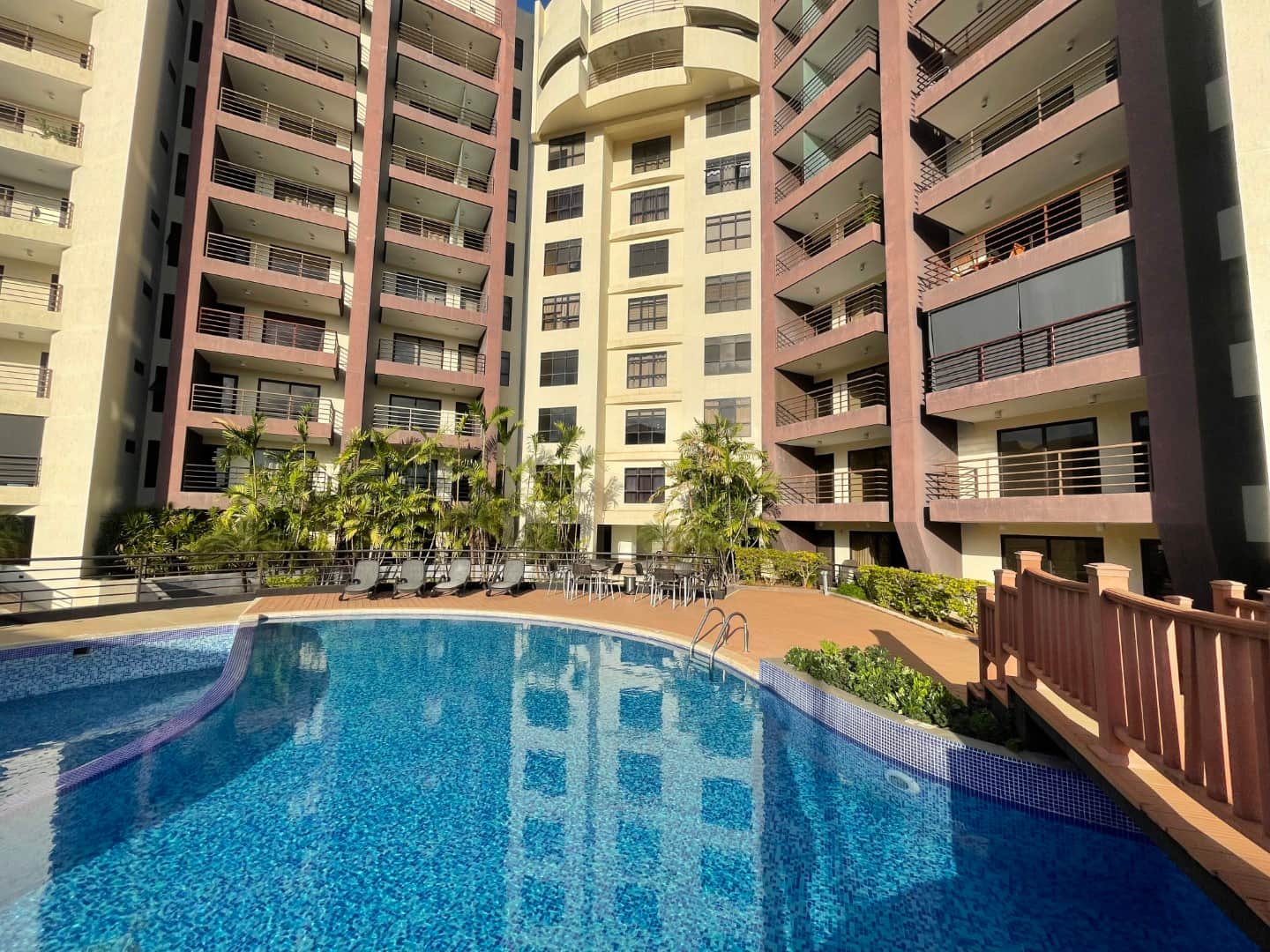
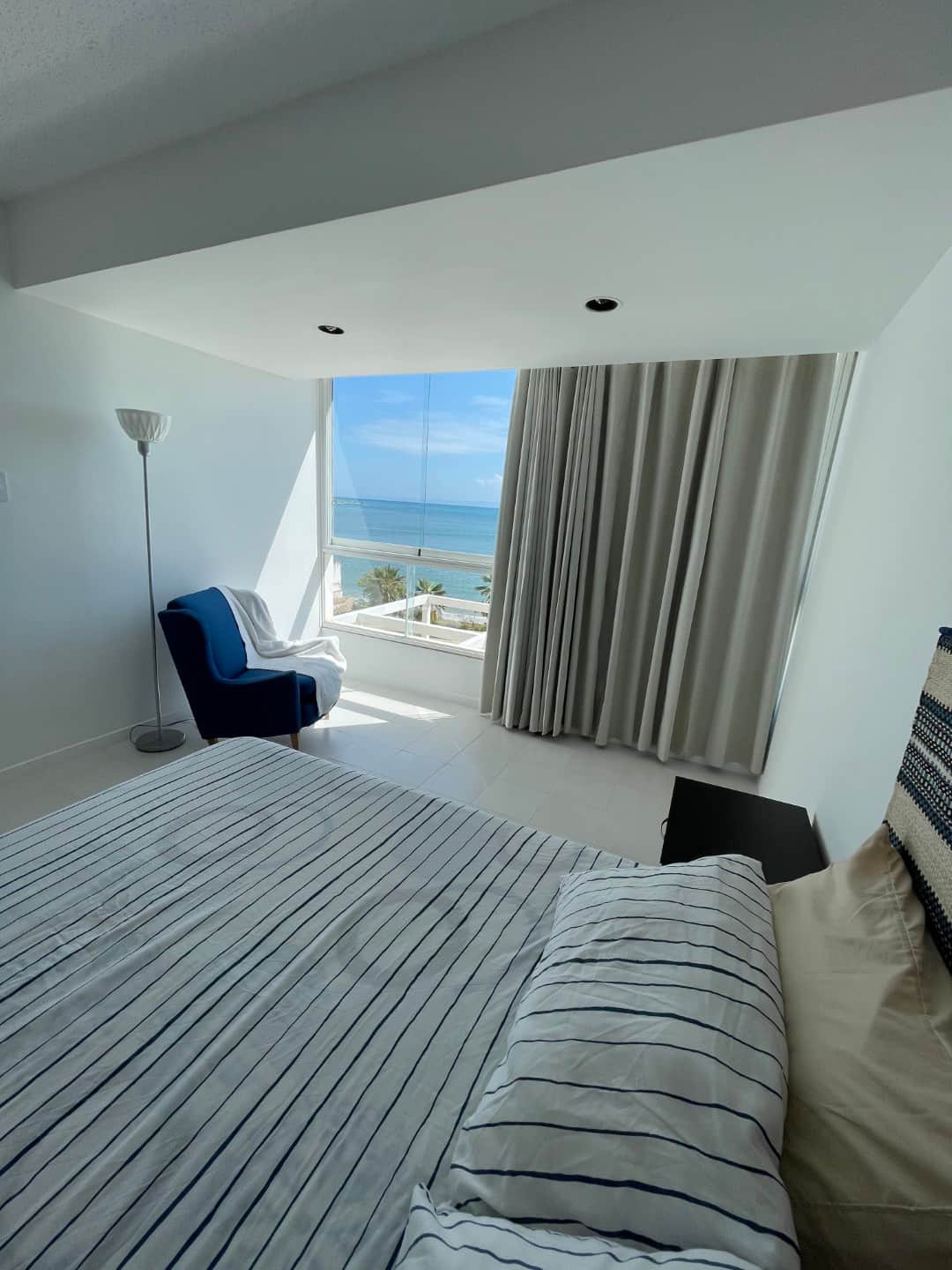
Staying in an apartment with a kitchen is the single biggest saving. Making breakfast and snacks at home and reserving restaurants for lunch or dinner can cut your daily food spend in half. Local markets have tropical fruits, bread and fresh produce at very low prices.
Transport: the shared taxi
Carros por puesto are shared taxis that follow fixed routes between the main points of the island. They are the cheapest way to get around and put you in contact with the local rhythm. The downside: schedules are irregular and in remote areas it can be hard to find one for the return trip.
Eating well for little
Criolla restaurants with a set lunch menu offer the best prices: soup, main course, soft drink and dessert for a fraction of what you pay on the waterfront. Market empanadas (under 1 USD each) are the island's cheapest and tastiest breakfast.
- Breakfast on the street: empanadas and black coffee for 2–3 USD
- Lunch at a criolla restaurant with set menu: 5–8 USD all in
- Dinner at a beach chiringuito: 10–15 USD with a drink
- Buy fruit and snacks at the municipal market
Beaches: all free
All beaches on Margarita are publicly accessible and free by law. What they charge for is the sunlounger and umbrella service, which you can avoid by bringing your own towel and finding natural shade. Snorkelling in Pampatar bay costs nothing if you bring your own gear.
Low-cost activities
- Visit the Fuerte San Carlos Borromeo in Pampatar (free entry)
- Walk the waterfront at sunset
- Explore the Pampatar craft market
- Visit Parque Nacional La Restinga (mangroves + untouched beach — nominal entry fee)